Study Warns on Alpha-Gal Syndrome and Blood Transfusion Risks
A retrospective cohort study links alpha-gal syndrome to increased allergic transfusion reactions in type O patients receiving B or AB plasma or platelets in high-prevalence U.S. Regions.
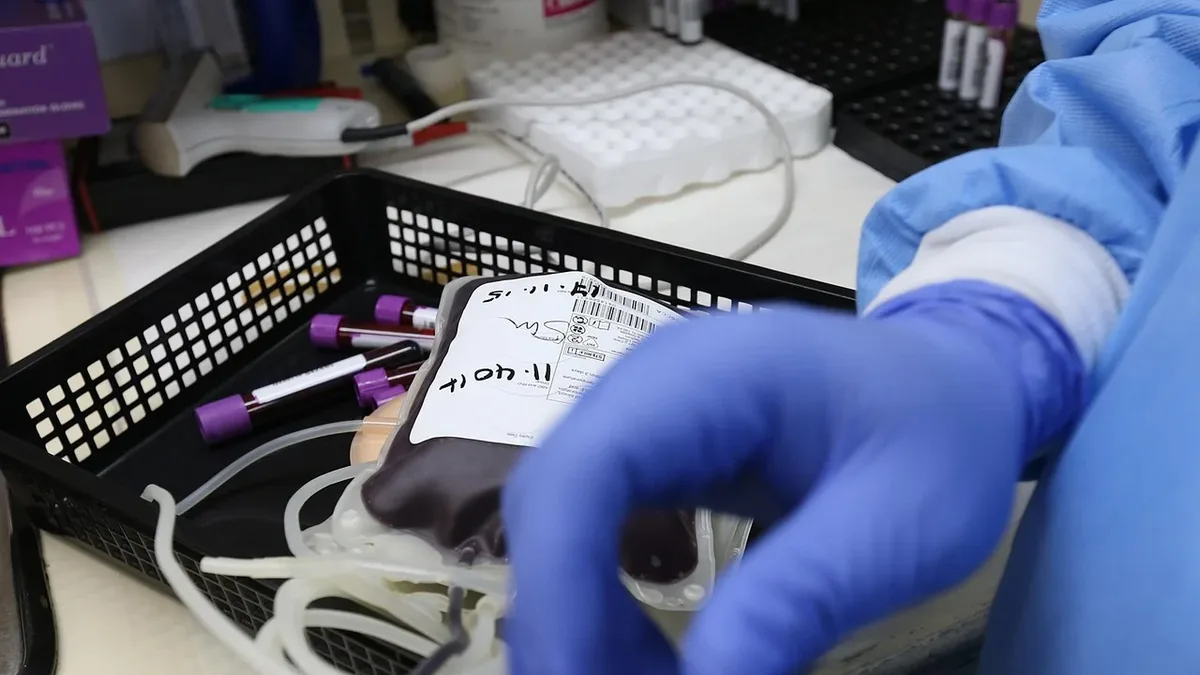
A retrospective cohort study has identified a significant association between alpha-gal syndrome and allergic transfusion reactions. Richard Kaufman, MD, of the Dartmouth Hitchcock Medical Center, and colleagues reported that in U.S. Regions with high prevalence of the condition, patients with type O blood who received B or AB plasma or platelet units were nearly four times more likely to experience an allergic reaction than those who received O units. The overall risk ratio was 3.93, with a 95% confidence interval of 2.96 to 5.21 and a P-value of less than 0.001. This increased risk was not observed in regions with low prevalence of alpha-gal syndrome.
The study analyzed data from 40 sites across the U.S., Australia, France, Germany, and Japan. Among the 558,823 transfusions included in the international study, allergic transfusion reactions were reported in only 1,744 cases, a rate of 0.3%. However, for type O patients in high-prevalence areas, the risk became more pronounced. In subgroup analyses, the risk ratio for moderate to severe allergic transfusion reactions was 9.14 among those receiving B units in high-prevalence cluster sites, compared to 2.15 in low-prevalence sites.
Researchers noted that the structure of alpha-gal is very similar to the group B antigen on human red blood cells, platelets, and epithelium. This structural similarity leads alpha-gal antibodies to cross-react with B antigen, potentially explaining the observed reactions. The study's co-author, Nancy Dunbar, MD, emphasized that the changing climate and greater proliferation of ticks are leading to illnesses not previously seen in real time.
The authors recommend that for patients with type O blood, a prior history of allergic reactions to transfusions, and positive test results for alpha-gal immunoglobulin E antibodies, it would be reasonable to avoid future transfusion of plasma or platelet products from group B or AB donors. They also noted that giving type A units to type O patients in high-prevalence regions was not linked to a significantly greater risk of allergic reactions compared with type O units.
The researchers cautioned that study limitations included the possibility that geographic factors not related to alpha-gal syndrome could explain the findings. Additionally, testing patients for alpha-gal antibodies was not feasible, and patients' history of the syndrome was not known prior to the study.