Isthmin 2 Predicts Preeclampsia and Fetal Growth Restriction
A study in Nature Medicine finds low levels of the protein isthmin 2 in early pregnancy predict preeclampsia and fetal growth restriction, linking it to
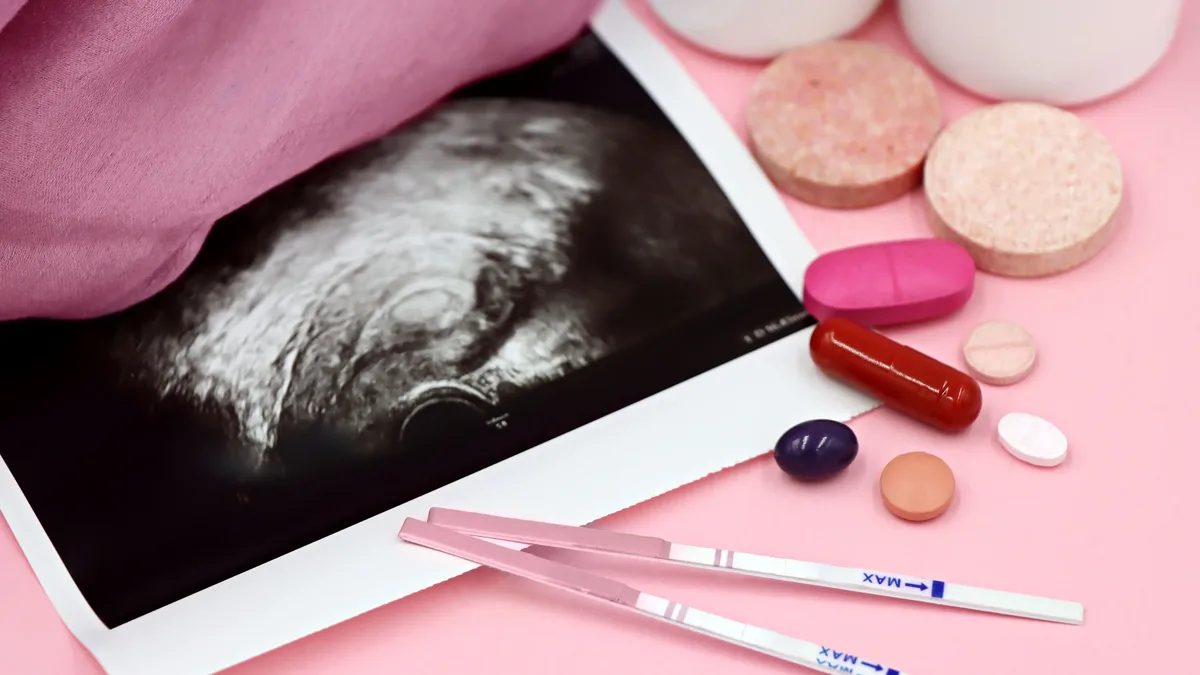
Lower levels of a protein called isthmin 2 (ISM2) in a pregnant person's blood during the first trimester are predictive of later developing preeclampsia and fetal growth restriction (FGR). This finding, reported in a 2026 study published in Nature Medicine, identifies a potential early biomarker and a key player in the development of the placenta.
Preeclampsia and FGR are leading global causes of illness and death for fetuses. Both conditions are associated with impaired trophoblast invasion, a critical process where placental cells migrate and remodel the mother's uterine blood vessels to establish adequate blood flow to the fetus.
The research team discovered that maternal serum levels of ISM2 were significantly lower in individuals who later developed preeclampsia or FGR compared to those with uncomplicated pregnancies. This suggests that measuring ISM2 could serve as an early warning sign long before symptoms appear.
The Role of Isthmin 2
Beyond its role as a biomarker, the study provides evidence that ISM2 is functionally essential for proper trophoblast invasion. Laboratory experiments demonstrated that the protein is required for these placental cells to migrate and invade effectively. The researchers propose that insufficient ISM2 contributes to the shallow invasion seen in preeclampsia and FGR, ultimately restricting fetal growth and triggering the maternal high-blood-pressure disorder.
This mechanistic link offers a new target for scientific investigation. The study, summarized by Nature Medicine, states that "ISM2 is essential for trophoblast invasion."
Clinical and Research Implications
The identification of ISM2 opens several avenues. First, it presents a candidate for developing a first-trimester screening test. Early detection could allow for closer monitoring and potentially earlier intervention for at-risk pregnancies. Second, understanding ISM2's function may lead to new therapeutic strategies aimed at correcting the deficient invasion process.
The research contextualizes its findings within the broader field of placental biology. It cites a 2025 review in Physiological Reviews that examines the role of various trophoblast populations in health and disease, and a 2019 review in Circulation Research on the pathophysiology of preeclampsia.
Future Directions
Further research is needed to validate these findings in larger, more diverse populations and to fully elucidate the molecular pathways through which ISM2 operates. The study concludes by highlighting the protein's dual role as both a predictive marker and a functional agent in two major pregnancy complications. The work builds upon recent advances, including a 2025 Nature paper on using lipid nanoparticles to deliver therapeutic mRNA to the placenta in a mouse model of pre-eclampsia.