Industrial Water Pollution Linked to Higher PSP Risk
A 25-year U.K. study finds living near industrial facilities that pollute water with heavy metals and pesticides significantly increases the risk of developing progressive supranuclear palsy, a rare neurodegenerative disease.
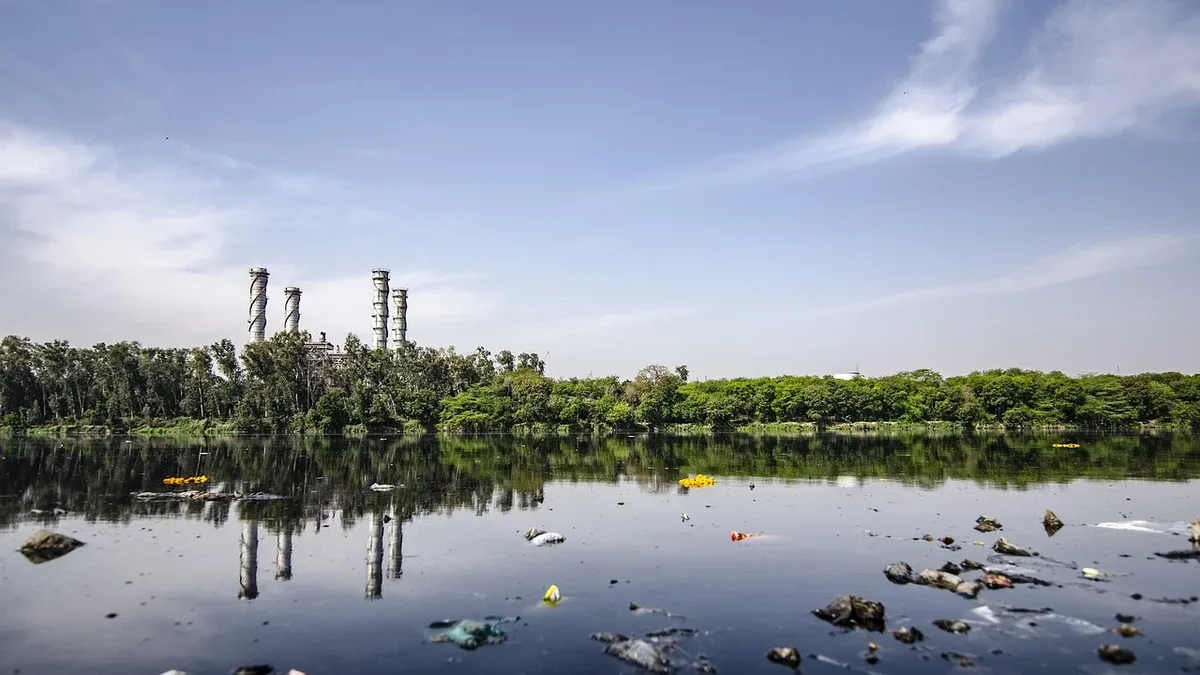
Long-term residence near industrial facilities that pollute water significantly increases the risk of developing progressive supranuclear palsy (PSP). A new study of over 500,000 people in the U.K. Biobank links proximity to sources of heavy metals, pesticides, and other pollutants to a higher likelihood of this rare, untreatable brain disease.
Approximately one-third of PSP cases lived within about three miles of an industrial facility, compared to about one-quarter of non-PSP individuals. The risk of PSP decreased with distance from these facilities, with evidence of reduced risk observed up to six miles away. Longer duration of residence near the pollution sources was also linked to higher PSP risk.
Specific pollutant types showed strong associations. People living near facilities emitting inorganic pollutants were 60% more likely to develop PSP. The increased risk was 52% for those near organic pollutant facilities and 38% for those near heavy metal-emitting facilities. After adjusting for age, sex, and education, people living near pesticide-emitting facilities were 66% more likely to develop PSP.
The study's statistical analysis quantified the increased risks associated with specific pollutant categories:
| Pollutant Category | Odds Ratio (OR) | 95% Confidence Interval |
|---|---|---|
| Pesticides | 1.66 | 1.12 - 2.46 |
| Other Inorganic Pollutants | 1.60 | 1.19 - 2.15 |
| Other Organic Pollutants | 1.52 | 1.13 - 2.04 |
| Heavy Metals | 1.38 | 1.03 - 1.85 |
Risk also declined with greater distance from facilities, with odds ratios of 0.86 for pesticides, 0.91 for other organic pollutants, and 0.90 for other inorganic pollutants.
Study Design and Scope
Researchers analyzed 221 PSP cases and 2,249 controls from the U.K. Biobank cohort, tracking participants from 2007 to 2025. Each PSP case was matched by age and sex to 10 control individuals without parkinsonism or dementia. The mean age of participants was 63, with 41% women and 91% of British ethnicity.
The study used home addresses from 2007 to estimate long-term proximity to 305 industrial facilities that reported emissions to the Pollutant Release and Transfer Register (PRTR) that year. These facilities included wastewater treatment plants, chemical plants, and thermal power stations. The research followed more than 500,000 people recruited from across the United Kingdom for up to 25 years.
Limitations and Unanswered Questions
The study shows an association but cannot prove causation between proximity to water-polluting facilities and PSP development. A key limitation is the lack of data on occupational exposure, as incomplete work history information prevented analysis of job-related pollutant contact.
Also, the research did not find air pollution linked to PSP, though water pollution had not been previously measured in this cohort. The analysis was complicated because many industrial facilities emitted multiple pollutant types simultaneously, preventing researchers from isolating the effects of single chemicals. Study author Charlie Weige Zhao, a physician at Harvard Medical School, noted the role of exposure duration. "There is also evidence that the length of time people lived near the polluting facilities played a role in their risk of PSP," Zhao said.
The study 2026, in Neurology®, was supported by the Dolce Family Fund for PSP research at Massachusetts General Hospital. No association was found between PSP and chlorinated solvents or persistent organic pollutants. The overall risk of developing PSP remains low regardless of location, but distance from industrial pollution sources appears to be a modifying factor.