Médecins Sans Frontières calls for community
A Médecins Sans Frontières team argues that despite lessons from past outbreaks, Ebola responses still treat communities as beneficiaries rather than
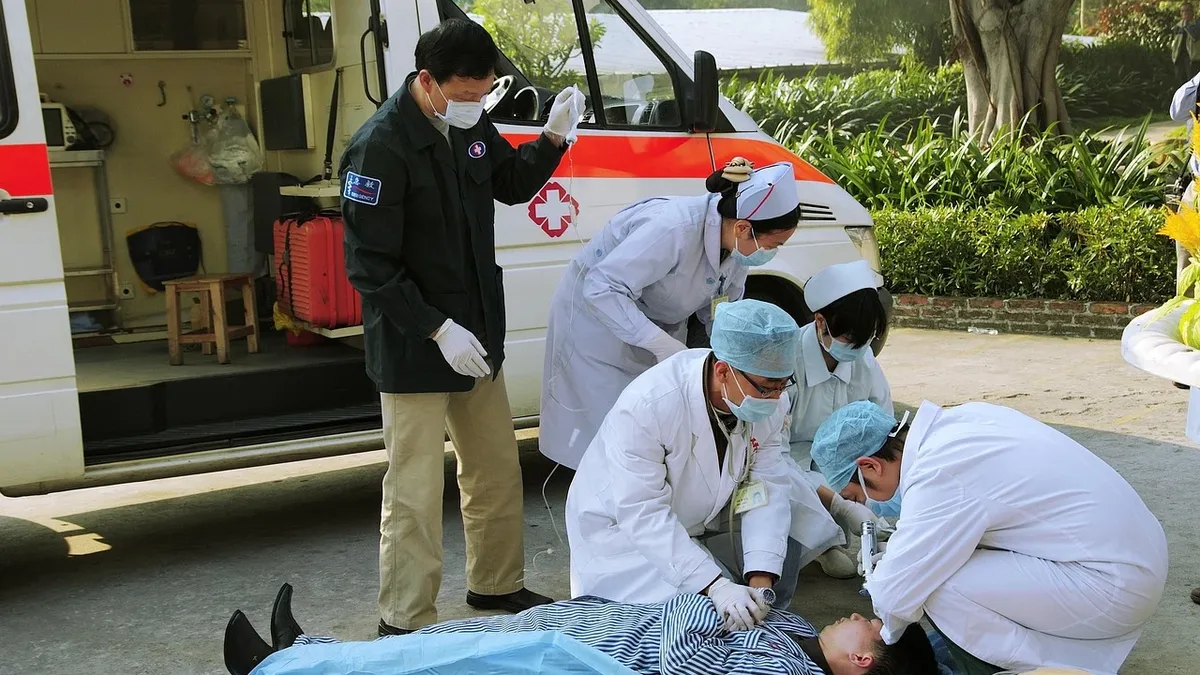
A team from Médecins Sans Frontières (MSF) has published a critical commentary in The Lancet, questioning why core lessons from past Ebola outbreaks remain so difficult to implement. The article, dated August 18, 2026, reflects on the ongoing Bundibugyo virus epidemic in the Democratic Republic of the Congo (DRC). It argues that despite investments in preparedness, responses still falter due to community mistrust and resistance.
The authors state that a fundamental problem persists. Outbreak responders often view affected populations merely as beneficiaries of interventions. They are not treated as essential partners in designing and implementing the response itself. This approach, the MSF team contends, continues to undermine control efforts more than a decade after the devastating west African epidemic.
The persistence of old challenges
Community resistance and contestation continue to emerge in current outbreaks. This happens even though community engagement is formally integrated into response frameworks. The commentary asks why identified lessons are so hard to operationalise. It cites a body of prior research that has long advocated for deeper community involvement.
References include work on the "people's science" that helped end an epidemic and analyses of the social consequences of containment measures. The MSF authors themselves have previously published on engaging anthropology during outbreaks. The new article builds on this existing evidence to critique current practice.
A shift from beneficiaries to partners
The central argument calls for a paradigm shift. Moving from a beneficiary model to a partnership model is presented as critical. The commentary suggests that successful engagement must recognise communities as active agents with their own knowledge and structures.
This is not a new idea. But the MSF team implies it is still not fully adopted. They reference guidance on establishing networks of community researchers and studies highlighting community-centred responses. The goal is to save loved ones, not just impose external protocols.
The current epidemic context
The immediate context for this commentary is the Bundibugyo virus outbreak in the DRC. The authors cite a recent Lancet article on the challenges and priorities for this specific epidemic. They also reference a May 2026 Health Cluster situational report from the region.
This grounding in an active crisis underscores the urgency of their message. Theoretical lessons must translate into practical action on the ground. The team, led by Umberto Pellecchia of MSF's Luxembourg Operational Research Unit, includes field-based co-authors from the DRC. Their conclusion is implicit but clear. Without genuine community partnership, future responses will repeat the mistakes of the past.