mRNA cancer vaccine trial succeeds
A personalized mRNA vaccine for melanoma from Moderna and Merck has shown clinical success, offering a potential boost for the mRNA field after political
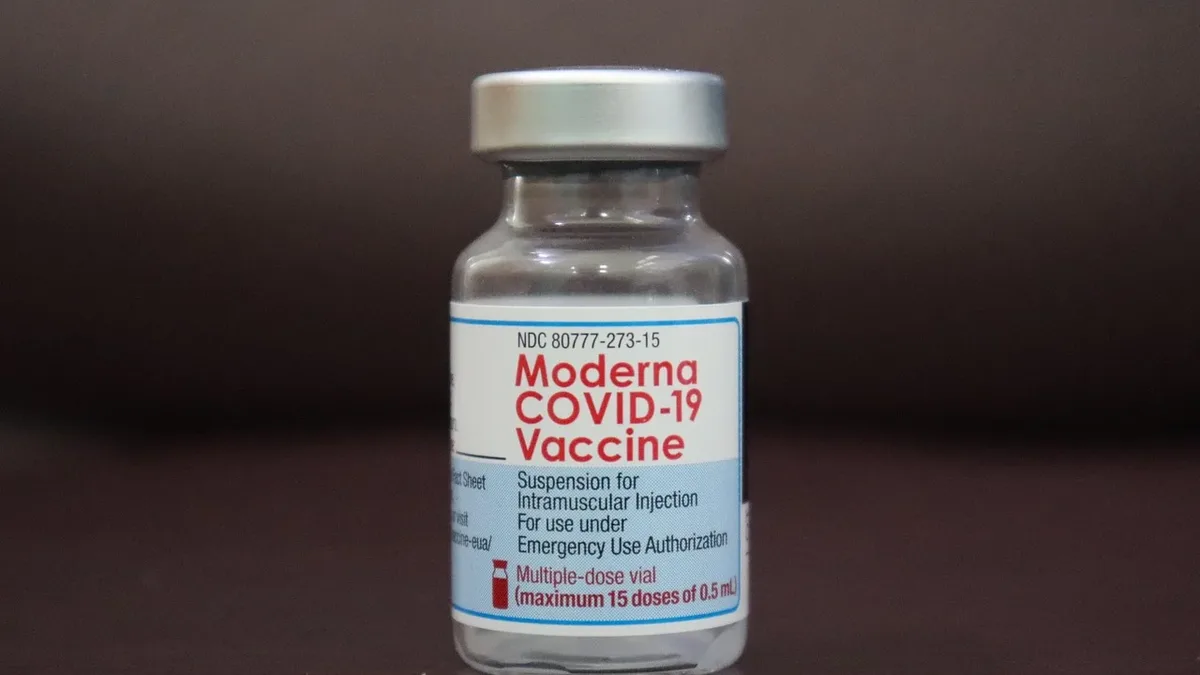
A personalized mRNA cancer vaccine developed by Moderna and Merck has demonstrated clinical success in treating melanoma. This result, reported by STAT, offers a potential boost for the mRNA technology field following a period of political turbulence.
Ryan Sullivan, a melanoma physician and immunologist at Mass General Brigham who has worked with Moderna, expressed cautious optimism about public perception. "I don't know how this will be received among parts of our society that have become suspicious of the word 'vaccine,'" Sullivan said. He suggested the success against cancer might help thaw some stigma, thinking of "'vaccine' not as a dirty word, 'mRNA' as not a four-letter word."
How mRNA technology works
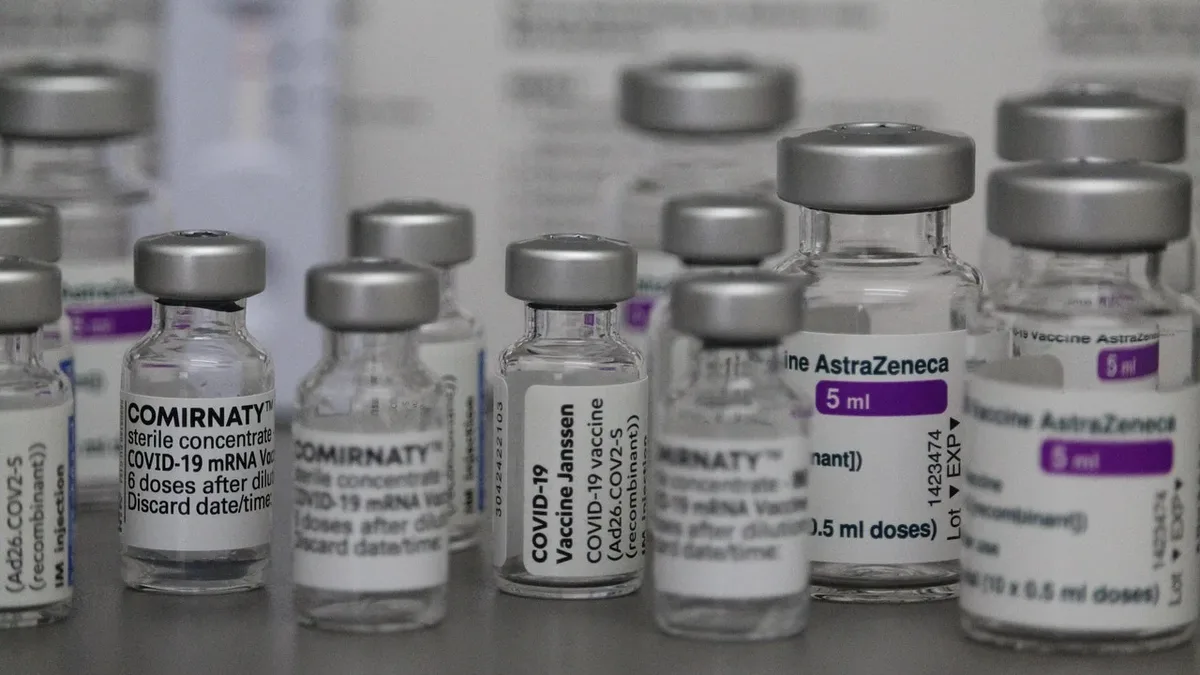
The core strength of mRNA technology lies in its programmability. Scientists can instruct human cells to construct specific proteins by rewriting the messenger RNA's genetic code. This capability allowed for the rapid development of Covid-19 vaccines in under a year. The effort was accelerated by Operation Warp Speed, which provided funding and logistical support. Former President Donald Trump has called the vaccine development a "monumental national achievement" of his first term.
The path from Covid to cancer
The same mRNA platform that produced the Covid-19 vaccines for Moderna and BioNTech is now being applied to oncology. Researchers are leveraging its flexibility to create personalized cancer vaccines. These vaccines are designed to train a patient's immune system to recognize and attack unique markers on their own tumor cells. The recent clinical success in melanoma represents a significant step in this translational effort.
Political and public perception challenges
The mRNA field has experienced significant political whiplash. Public discourse around Covid-19 vaccines became highly polarized, embedding skepticism toward both the technology and the term "vaccine" itself within parts of society. Experts like Sullivan hope that demonstrable success in a different, high-stakes area like oncology could help rehabilitate the technology's image. The logic is that a clear benefit against a universally feared disease like cancer may outweigh politically motivated doubts.
Future implications for the field
The positive melanoma trial data provides a concrete achievement for mRNA applications beyond infectious diseases. It validates the platform's potential in personalized medicine. For the biotech companies involved, notably Moderna, it represents a critical diversification of their mRNA pipeline. The field now watches to see if this clinical success can translate into broader acceptance and stable, long-term investment, moving past the volatility of the pandemic era. The research continues.