Merck KGaA acquires Silence Therapeutics for $1.3 billion
Merck KGaA is buying Silence Therapeutics for $1.3 billion to gain control of divesiran, an RNAi therapy showing positive Phase 2 results in polycythemia vera.
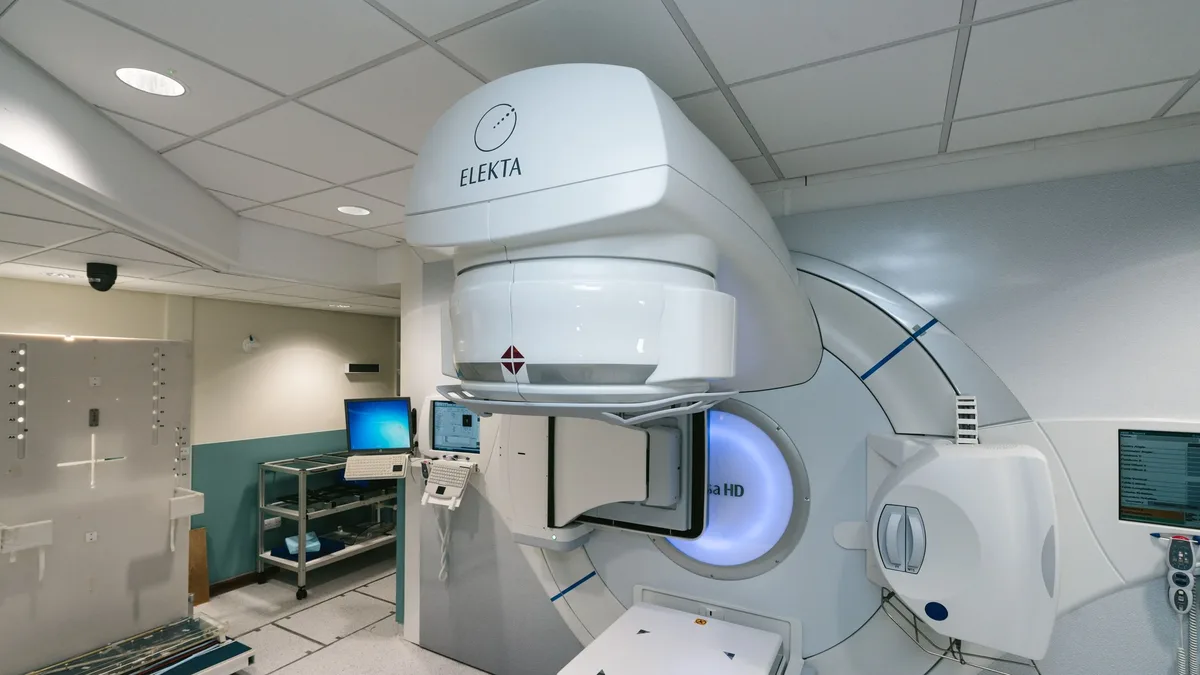
Merck KGaA announced the buyout of Silence Therapeutics on Monday in a deal valued at $1.3 billion. The German pharmaceutical giant will pay $20 in cash for each U.S.-listed share of Silence, representing a 130% premium over the prior share value.
Key shareholders representing 14% of the company's voting power have already agreed to the transaction. Following the announcement, Silence Therapeutics shares surged 126%.
Strategic rationale and pipeline fit
The acquisition aligns with Merck KGaA’s strategy to strengthen its pipeline with high-specialization assets. This transaction follows the company's buyout of Springworks Therapeutics last year.
Merck KGaA CEO Kai Beckmann described the move as part of a broader effort to "transform our pipeline toward areas of high specialization and unmet medical need, with an ongoing commitment to external innovation." The deal aims to create value over the mid to long-term and is part of a strategic priority to address attractive end markets through mergers and acquisitions.
Therapy mechanism and clinical promise
The central asset in the deal is divesiran, a short-interfering RNA (siRNA) medicine developed by Silence Therapeutics for polycythemia vera. This rare blood cancer is characterized by a faulty gene that stimulates bone marrow to produce excessive red blood cells.
Divesiran works by silencing the TMPRSS6 gene. In mid-stage testing, the therapy significantly reduced red blood cell levels below the threshold that triggers therapeutic blood draws. The Phase 2 data showed divesiran reduced the number of required blood draws compared to placebo, with significantly more patients on the drug maintaining controlled cell counts than those in the control group.
Competitive landscape and analyst outlook
If approved, divesiran will enter a competitive market. It is positioned to compete with newer treatments like Mimrylo, developed by Takeda Pharmaceutical and Protagonist Therapeutics, and older options such as Incyte’s Jakafi.
Wall Street analysts have concluded that divesiran could be 'best in class.' Analysts from Cantor Fitzgerald suggested the therapy "meaningfully exceeded the efficacy shown by" Mimrylo in its Phase 2 data and argued it might not need a large Phase 3 trial of nearly 300 patients. They also said divesiran has the potential to match Mimrylo’s forecasted blockbuster sales.
Both Mimrylo and divesiran function by increasing levels of hepcidin, a hormone that suppresses iron metabolism. Another company, Agios Pharmaceuticals, is also developing a similar drug targeting the TMPRSS6 pathway.
Myles Minter, an analyst, noted, This deal takes the execution risk off the table in an increasingly competitive space and delivers near-term shareholder value. Merck KGaA will now need to invest in a Phase 3 program for divesiran, with the acquisition expected to close in the first quarter of 2027.