MDT-BRIDGE trial shows 74.6% resection rate with neoadjuvant durvalumab
A phase 2 trial of neoadjuvant durvalumab plus chemotherapy in resectable and borderline resectable NSCLC achieved a 74.6% overall resection rate.
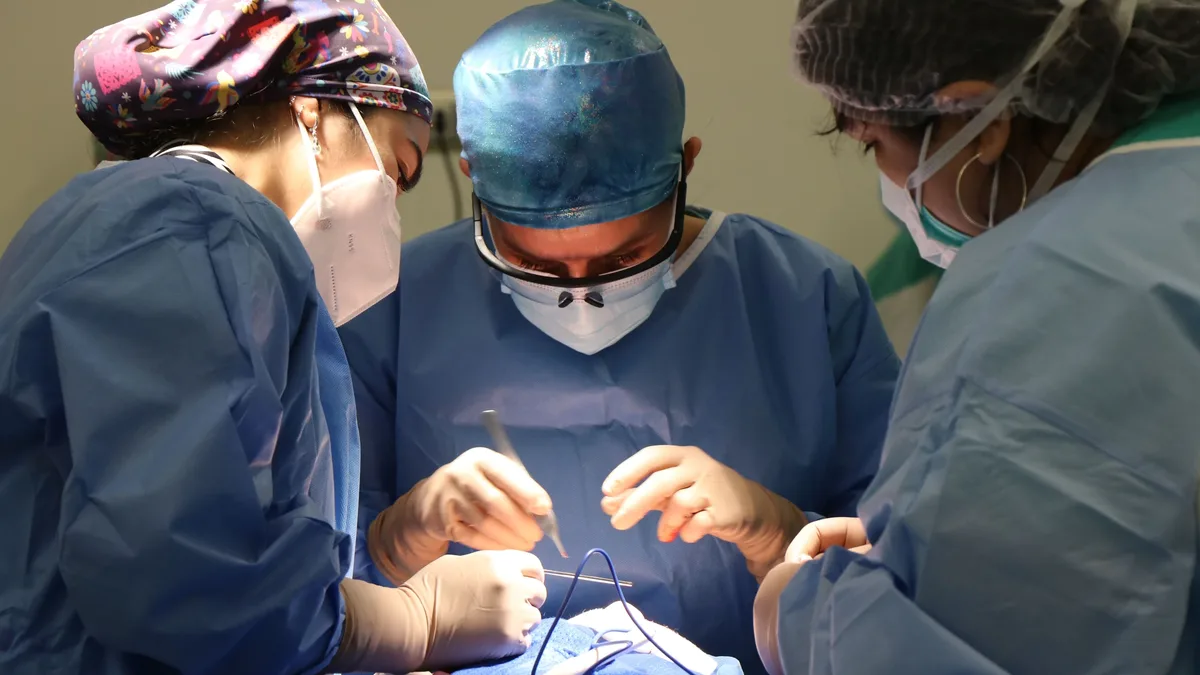
The phase 2 MDT-BRIDGE trial has demonstrated that perioperative treatment with durvalumab and chemotherapy yields a high rate of successful surgery for patients with certain types of non-small cell lung cancer. The overall resection rate was 74.6% across 142 patients with resectable or borderline resectable disease.
This global, single-arm study enrolled patients from February 2024 to July 2025. Participants received neoadjuvant durvalumab plus platinum-based chemotherapy. The trial excluded individuals with mixed small cell histology, active autoimmune or inflammatory diseases, primary immunodeficiency, or a history of organ transplant. The median patient age was 67 years. Approximately two-thirds had an ECOG performance status of 0, about half had stage IIIA and N2 disease, and roughly one-third had PD-L1 expression of less than 1%.
Treatment and Surgical Outcomes
Patients were classified at baseline as either resectable or borderline resectable. The study's primary endpoint was the resection rate for the entire cohort.
| Patient Group at Baseline | Number of Patients | Percentage of Cohort |
|---|---|---|
| Resectable | 92 | 64.8% |
| Borderline Resectable | 50 | 35.2% |
After neoadjuvant treatment, 131 patients (92.3%) proceeded to either surgery or chemoradiotherapy. Of the 106 patients who went to surgery, 104 completed the procedure. The R0 resection rate, indicating microscopically negative margins, was 96.2% among those who underwent surgery. For the 50 patients initially deemed borderline resectable, 43 ultimately received some form of local therapy, which included surgery or chemoradiotherapy.
Most patients who had surgery began adjuvant durvalumab. The most common reasons for not starting this maintenance therapy were adverse events, progressive disease, or patient choice. Among the 25 patients treated with chemoradiotherapy instead of surgery, most started consolidation durvalumab, though some discontinued early, often due to adverse events.
Safety Profile
The safety analysis showed the treatment regimen was manageable. The incidence of severe grade 3 or 4 adverse events differed between patient groups who underwent different local therapies.
| Treatment Group | Grade 3/4 Adverse Events | Discontinued Due to Adverse Events |
|---|---|---|
| Resected Patients | 7.4% | 8.5% |
| CRT-Treated Patients | 17.4% | 13.0% |
Secondary endpoints for the trial included event-free survival, progression-free survival, pathological complete response rate, and circulating tumor DNA clearance. The study also provided early evidence that clearance of ctDNA correlated with treatment outcomes. The data cutoff for this analysis was January 12, 2026.
Regulatory and Clinical Context
The trial design highlights evolving standards in perioperative lung cancer trials. Unlike studies like AEGEAN, which enrolled only patients with pre-confirmed operability, MDT-BRIDGE included a substantial proportion-35.2%-classified as borderline resectable at the start. This means the reported 74% resection rate represents two outcomes: confirmation of maintained operability for initially resectable patients and a successful downstaging result for those initially borderline.
Current FDA guidance does not set specific standards for how resectability should be reassessed after neoadjuvant therapy, nor does it define who should perform the assessment or what documentation is required from multidisciplinary tumor boards. Regulatory experts note that such reassessment qualifies as a critical process step when operability is a primary endpoint. They recommend that trial sponsors pre-specify MTB criteria and standardize imaging assessments across study sites to ensure clean data for regulatory submissions.
The clinical landscape for this approach is supported by recent updates to the NCCN Clinical Practice Guidelines, which expanded recommendations for neoadjuvant immunotherapy plus chemotherapy to the full immune checkpoint inhibitor class. The full results of the MDT-BRIDGE trial are set for publication in Nature Medicine on October 27, 2026.