FDA Acts to Prevent Neonatal Nutrition Supply Gap
The FDA has issued temporary guidance to allow compounding of starter parenteral nutrition for newborns, addressing a potential supply gap caused by the

The U.S. Food and Drug Administration is taking action to prevent a potential supply gap of life-saving starter nutrition for premature and critically ill newborns. The agency issued temporary guidance to allow certain facilities to compound these essential intravenous (IV) nutrition products.
Children's hospitals raised concerns about continued access to neonatal starter parenteral nutrition (PN). These concerns followed the discontinuation of certain standardized products made by two outsourcing facilities that are permanently shutting down. The FDA assessed the situation and identified ways to help prevent a disruption.
Temporary Compounding Guidance Issued
The FDA's response is an immediately-in-effect guidance document titled Temporary Policies for Compounding Certain Starter Parenteral Nutrition Drug Products for Neonates. This guidance describes the agency's temporary regulatory and enforcement priorities for certain compounded starter PN drugs. It is intended to support hospitals in accessing these critical products while longer-term solutions are found.
Acting FDA Commissioner Kyle Diamantas, J.D., stated the agency's commitment. "We are committed to deploying every regulatory tool available to prevent critical supply chain gaps from threatening patient care," Diamantas said. The FDA is working with healthcare providers and industry partners on the issue.
Critical Need for Vulnerable Newborns
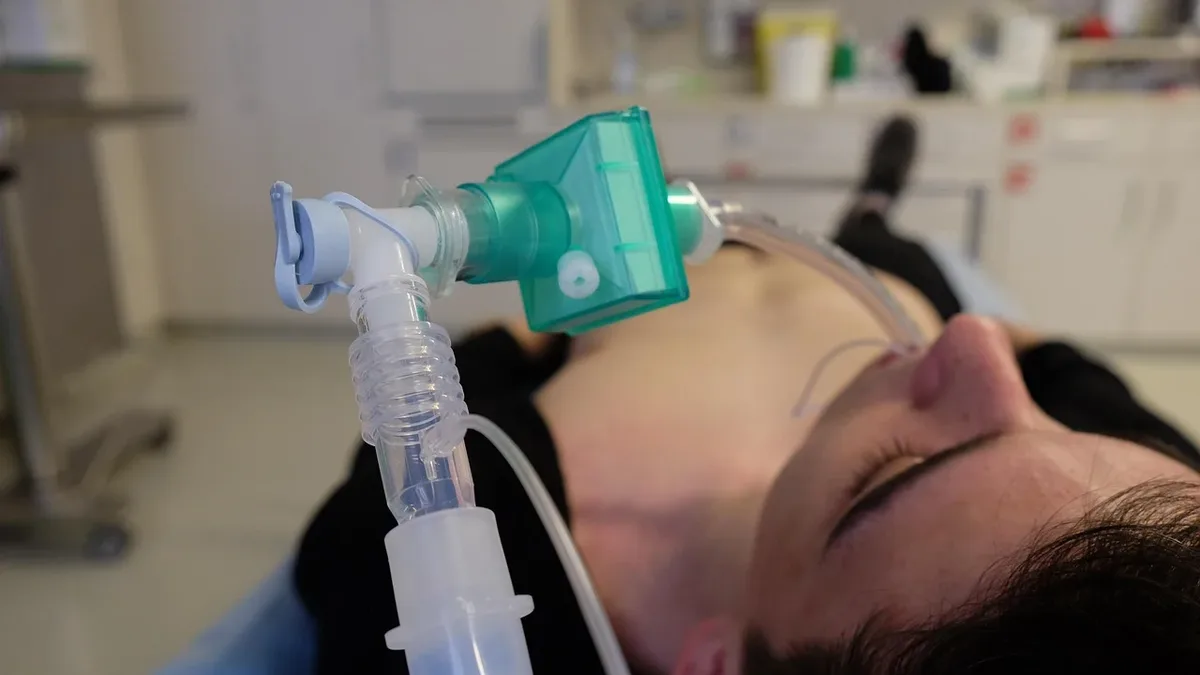
Starter parenteral nutrition provides essential nutrients through an IV to newborns who cannot receive nutrition by mouth or through a feeding tube. This is vital for premature and critically ill infants who need nutrition soon after birth.
Michael Davis, M.D., Ph.D., Acting Center Director of FDA’s Center for Drug Evaluation and Research, emphasized the product's importance. "Starter parenteral nutrition is especially important for premature and critically ill newborns," Davis said. The temporary policies aim to help hospitals maintain access during this transition.
Regulatory Scope and Monitoring
The new guidance applies to certain state-licensed pharmacies, federal facilities, and outsourcing facilities. These entities compound specified parenteral drugs under sections 503A and 503B of the Federal Food, Drug, and Cosmetic Act. The FDA will continue to monitor current and expected supply needs. The agency will assess if additional action is needed as the situation develops.
The FDA announced these steps consistent with what it described as the Trump administration’s commitment to protecting vulnerable patients and maintaining access to critical medical products.