IV Iron Cuts Transfusions in Cardiac Surgery
A trial found intravenous iron before cardiac surgery reduced transfusion needs and slightly increased days at home.

A single dose of intravenous iron before cardiac surgery reduced the need for blood transfusions and slightly increased the number of days patients spent at home afterwards. The findings come from a randomized trial of 920 patients published in The BMJ.
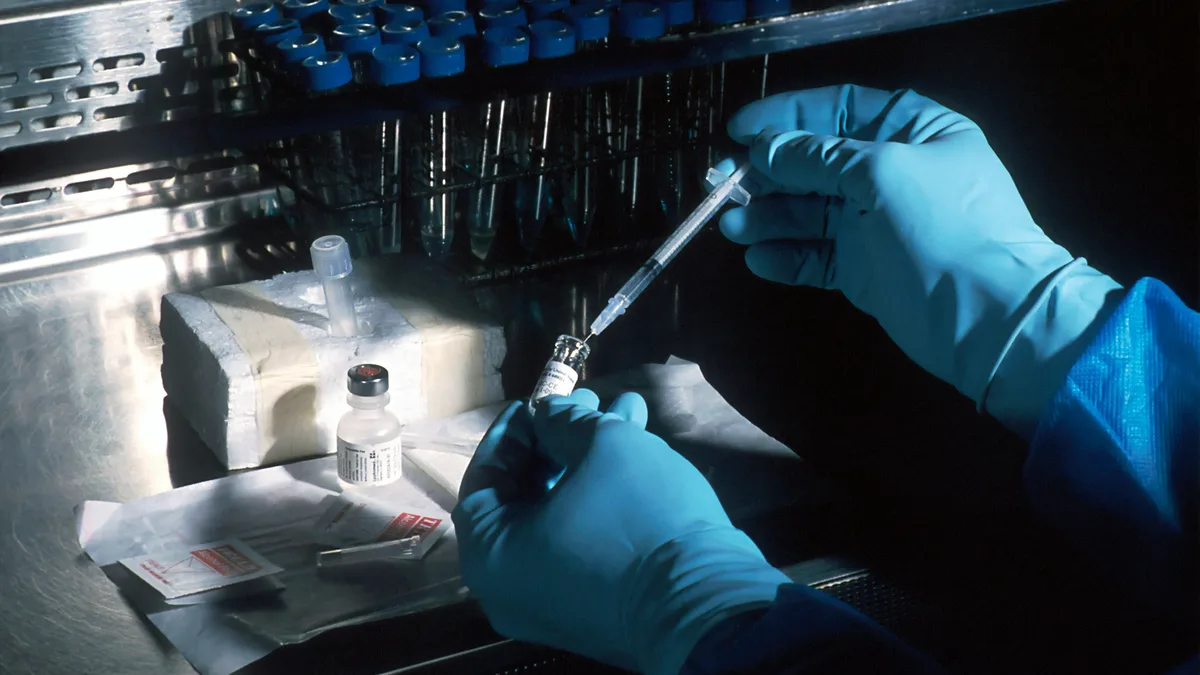
Researchers gave participants either IV iron or a placebo about one month before their elective cardiac procedure. Between 20% and 50% of patients typically need a transfusion due to blood loss during such surgery, with the risk higher for those who are anemic beforehand.
The study's primary goal was to see if IV iron increased the time spent at home in the 90 days following surgery. The improvement was minimal. The IV iron group spent an average of 81 days at home, compared to 80 days for the placebo group.
Transfusion Reduction
However, a more notable benefit was seen in transfusion rates. Only 33% of patients who received IV iron needed a transfusion, compared to 43% of those who received the placebo. The researchers estimate this strategy could save 44 units of blood for every 100 patients undergoing cardiac surgery.
There was no increased risk of infections or other complications from the IV iron infusion, which takes 15 to 30 minutes. One hematologist cited in the TTHealthWatch podcast discussion likened a blood transfusion to a "liquid transplant," highlighting the value of avoiding it when possible.
ADHD and Cardiovascular Risk
In a separate study discussed on the podcast, researchers identified an association between attention-deficit/hyperactivity disorder (ADHD) and cardiovascular disease in adults with hypertension. The analysis showed about a 30% increase in cardiovascular events for those with ADHD.
Podcast host Rick Lange, MD, president of Texas Tech Health El Paso, presented this finding. The research suggests clinicians should be aware of this potential link when managing patients with high blood pressure.
Rural and Urban Hospice Care
A research letter in JAMA explored disparities in hospice care between rural and urban settings. Previous studies found rural residents are more likely to die in nursing homes and have less access to paid home care.
The new analysis focused on hospice length of stay, care setting, and staff visits. It found that hospice stays were generally shorter for patients in rural areas. The study looked at people aged 66 years or older who had died.
Elizabeth Tracey, a medical journalist and podcast co-host, noted the study provided "some really good news" by clearly documenting these service variations. The research aims to inform efforts to ensure equitable access to end-of-life care regardless of geography.
The TTHealthWatch podcast, from Texas Tech, also covered a study on chronic traumatic encephalopathy (CTE) and dementia in former National Football League players. That research, also in The BMJ, found a strong link between advanced CTE and dementia but faced challenges in determining precise risks due to the need for postmortem diagnosis.