BioNTech-Genentech cancer vaccine trial ends after deaths
BioNTech and Genentech ended a trial of their mRNA cancer vaccine after more deaths occurred in the vaccinated group versus the observation group.
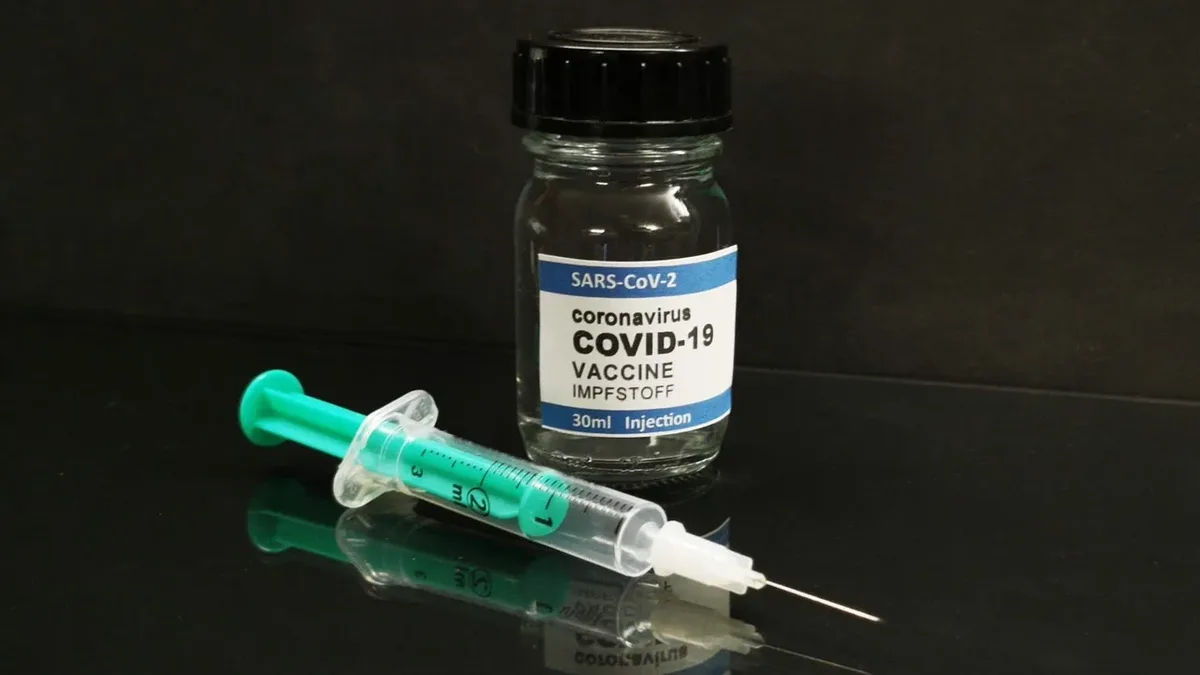
BioNTech and Genentech have stopped a phase 2 study of their personalized cancer vaccine, autogene cevumeran, also known as BNT122. The trial was halted after an independent Data Safety Monitoring Board identified a numerical imbalance in overall survival between the two patient groups.
A Genentech spokesperson confirmed to Fierce Biotech that there were more deaths in the vaccine arm among this specific patient population. The trial was investigating whether the vaccine could prevent disease recurrence in patients who had undergone surgery for stage 2 or 3 colorectal cancer. The vaccine was designed to target each patient's unique cancer mutations.
Trial Termination and Ongoing Work
Following the board's recommendation, the companies terminated the trial. Özlem Türeci, M.D., BioNTech's co-founder and outgoing chief medical officer, stated the outcome provides scientific insight into the challenges of treating certain tumor types with monotherapy mRNA vaccines. She emphasized the company's continued commitment to mRNA as a key part of its oncology strategy.
Genentech also affirmed its commitment to investigating the vaccine's efficacy and safety in collaboration with BioNTech. Another phase 2 trial of BNT122, which tests the vaccine in combination with an immunotherapy, remains ongoing.
Analyst and Market Reaction
Analysts from Citi described the termination as a clear setback that raises the bar for BNT122's future development. In a note to investors, they indicated the result is mainly a knock against the vaccine's potential as a standalone, or monotherapy, treatment for so-called "cold" tumors. These tumors lack an active immune response, making them less sensitive to immunotherapies.
The analysts noted that presenting personalized antigens through a vaccine is less likely to work if the patient's T cells are not already activated to fight the cancer. This challenge is why many companies, including Merck and Moderna, are now pursuing cancer vaccines in combination with other immunotherapies designed to stimulate the immune system.
Despite the setback, the Citi analysts continue to see potential for BNT122 when used in combination with other approaches. They wrote that with several meaningful catalysts ahead, they maintain an attractive risk/reward view on the program.
The news impacted BioNTech's stock, which dipped approximately 7.5%. This market movement stands in contrast to the reaction for Moderna, which recently reported a positive phase 3 result for its own personalized cancer vaccine. Moderna's share price closed up 177% following that announcement.
BioNTech's Dr. Türeci concluded that the result will help inform the further development of investigational mRNA cancer immunotherapies.