FDA Authorizes Aletta Robotic Blood Draw Device
The FDA has authorized the Aletta, a robotic blood draw device, for use in outpatient settings.
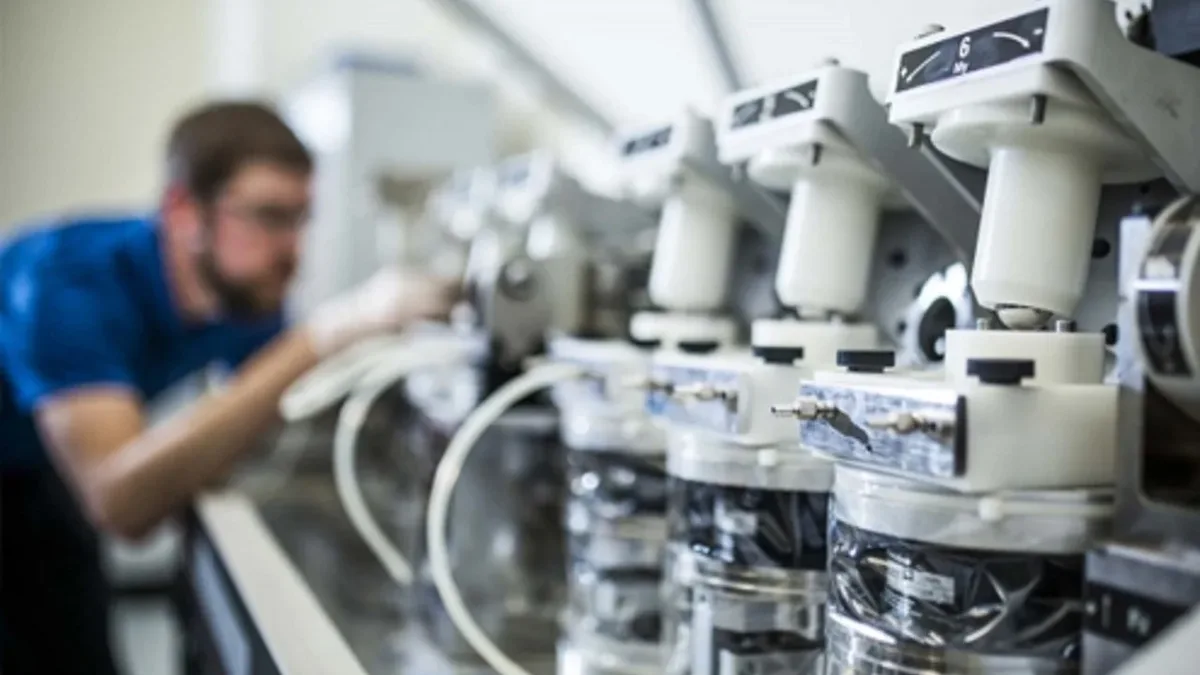
The US Food and Drug Administration has authorized the Aletta, a standalone robotic device that can draw blood from a patient's arm without hands-on operator intervention. According to Michelle Tarver, M.D., Ph.D., Director of the FDA's Center for Devices and Radiological Health, this authorization reflects the FDA's commitment to advancing innovative medical devices that help meet a critical public health need.
The Aletta is designed to autonomously handle each step of the blood draw, with a trained phlebotomist initiating each session and remaining available to respond to any issues throughout. The device uses near-infrared light and Doppler ultrasound to locate a suitable vein and tell it apart from arteries.
Device Operation
The Aletta guides the patient to position their arm, after which the patient or supervisor presses a button to start the blood draw. The device then proceeds through the remaining steps on its own, including applying a tourniquet, preparing the skin, inserting and disposing of the needle, changing collection tubes, and placing a bandage.
Safety Features
The Aletta is designed with multiple layers of patient safety in mind, including the continuous application of disinfectant to the skin during the ultrasound scan. The device is also cleaned by a trained professional between patients, and if a patient moves too much during the procedure, the needle automatically detaches and the draw stops.
Clinical Data
The FDA's authorization is based on clinical data demonstrating that the Aletta achieves successful blood draw rates comparable to or better than trained human phlebotomists when it proceeds with a stick. The device has been tested across a broad range of patients, including those with varying health statuses, those who self-reported having difficult vein access, and those with varying skin tones. The FDA granted marketing authorization to Vitestro for the Aletta through the De Novo pathway, a regulatory pathway for low- to moderate-risk devices of a new type.
The FDA is establishing special controls that define requirements including those related to labeling, performance testing, and clinical testing. When met, the special controls, in combination with general controls, provide a reasonable assurance of safety and effectiveness. The Aletta is authorized for use in adults in outpatient settings and must be operated under the oversight of a supervisor trained in phlebotomy, with one phlebotomist able to oversee up to three Aletta devices at the same time.