Ionis' Zanvastro Wins First FDA Approval for Alexander
The FDA has approved Ionis Pharmaceuticals' Zanvastro, the first treatment for the rare neurological disorder Alexander disease.
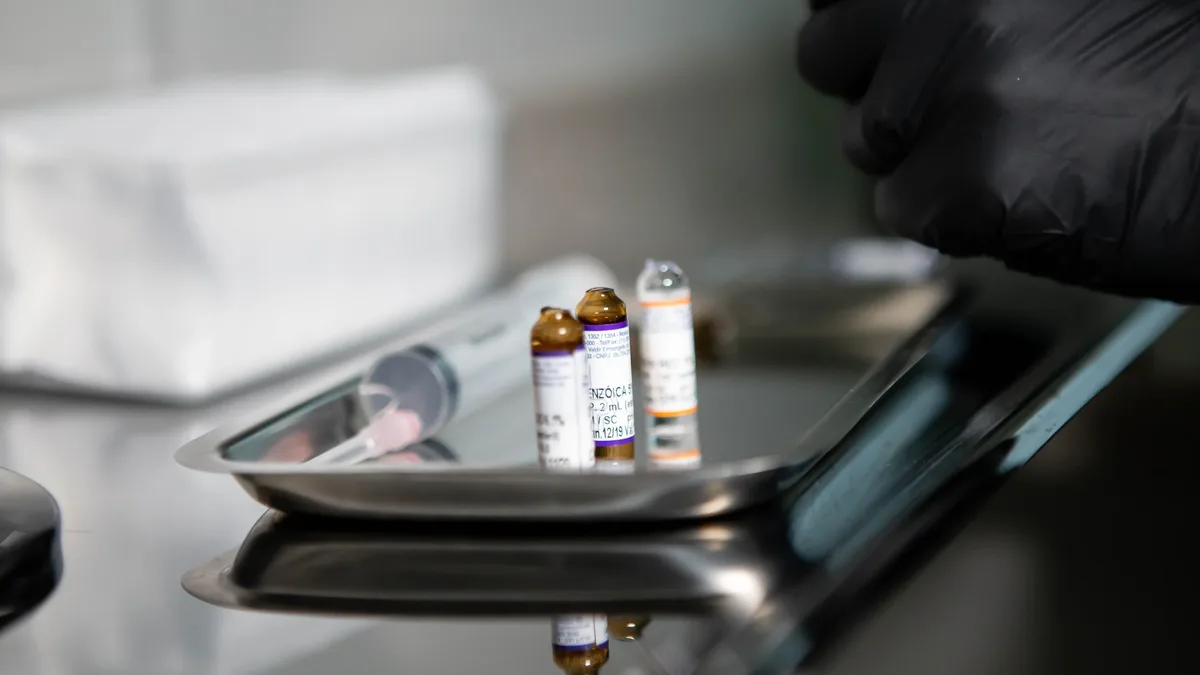
The Food and Drug Administration has approved Ionis Pharmaceuticals' Zanvastro as the first treatment for Alexander disease, an extremely rare and often fatal neurological condition. The approval, granted on Thursday, was based on a study demonstrating that patients treated with the drug showed significantly greater stability during a walking test.
Zanvastro works by reducing the production of a specific protein. In Alexander disease, this protein forms toxic clumps that progressively damage the nervous system, leading to motor and cognitive dysfunction. Ionis stated the drug will become available in the U.S. "in the coming weeks." This marks the company's first independent product launch from its neurology pipeline and earned Ionis a priority review voucher.
Other Clinical and Business Updates
Immune system specialist Climb Bio announced positive early data from an ongoing Phase 1 trial of its experimental drug CLYM116. The anti-APRIL monoclonal antibody is being developed for the kidney disease IgA nephropathy (IgAN). Unlike other medicines that bind to the cytokine APRIL, Climb's antibody is designed to block the cytokine's activity, degrade it, and "recycle" the antibody to extend its half-life. The drug will now advance into a Phase 2 trial.
Revolution Medicines said data from a Phase 1/2 trial of its drug Rasonque (daraxonrasib) for advanced RAS mutant non-small cell lung cancer were published in The New England Journal of Medicine. The drug, which recently gained speedy approval for pancreatic cancer, has been hailed as a paradigm-shifting treatment. The company stated the published data support an ongoing Phase 3 trial in RAS-mutated lung cancer.
Strategic Deals and Corporate Moves
Medicus Pharma and Pfizer have entered a co-development agreement for an antibody drug conjugate (ADC) targeting the cell surface protein CD228, which is expressed on melanomas and other tumors. Under the deal posted Wednesday, Medicus retains an exclusive worldwide license to develop, manufacture, and commercialize the ADC. Pfizer will be responsible for funding and is eligible for milestone payments. Medicus paid Pfizer $12 million upfront and is required to make an additional one-time payment of $15 million on the deal's anniversary.
Typewriter Therapeutics emerged from stealth mode with $56 million from a Series A funding round. The Cambridge, Massachusetts-based company is built around a technology designed to insert whole genes into the genome to create re-dosable genetic medicines. Its initial focuses will be "in vivo" CAR-T therapies and genetic liver diseases. The company has non-human primate studies planned for later this year and appointed Matthew Stanton, formerly of Moderna and Generation Bio, as its CEO.
Tscan Therapeutics Reorganization and Layoffs
Tscan Therapeutics, a Massachusetts-based biotech focusing on T cell therapies for cancer, disclosed plans to reduce its headcount by 75%. This strategic reorganization is meant to prioritize the company's in vivo solid tumor program, specifically advancing two product candidates into studies that could lead to human testing. According to the source, the company had 142 full-time employees by the end of February and had laid off around 30% of its staff last November. Tscan recorded a net loss of $59 million over the first six months of this year.