Medical Groups Issue Fall Vaccine Guidelines Amid Policy
Major U.S. medical societies have released independent guidelines for flu, Covid-19, and RSV vaccinations this winter, following the breakdown of the
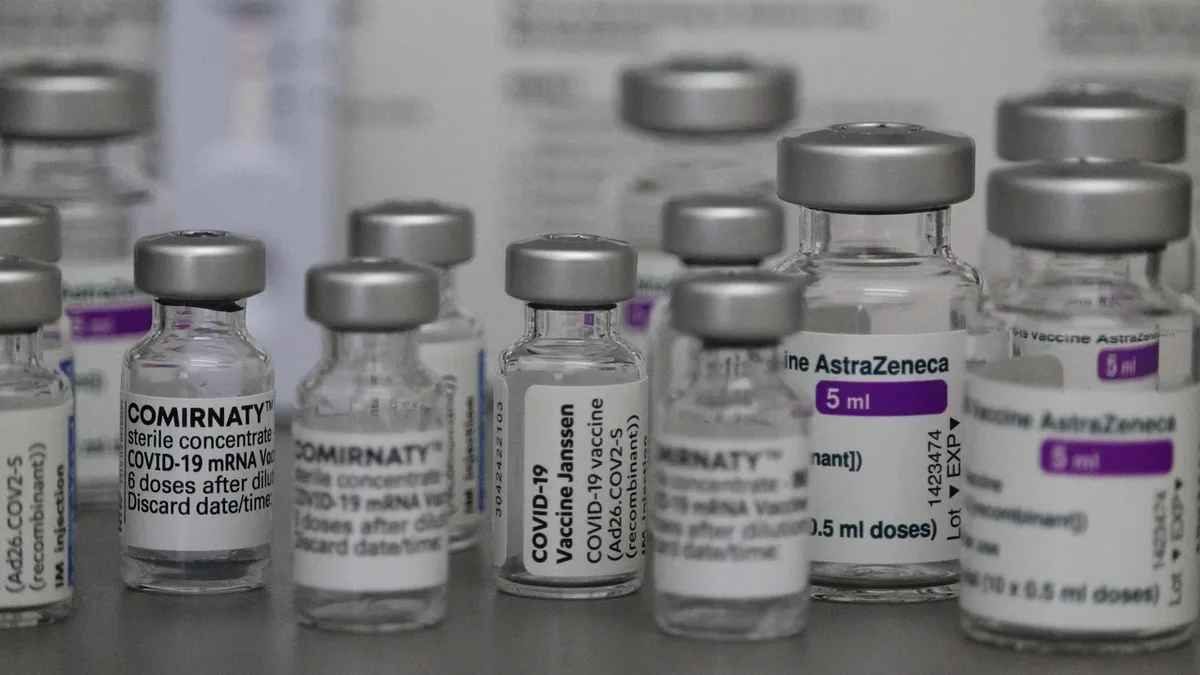
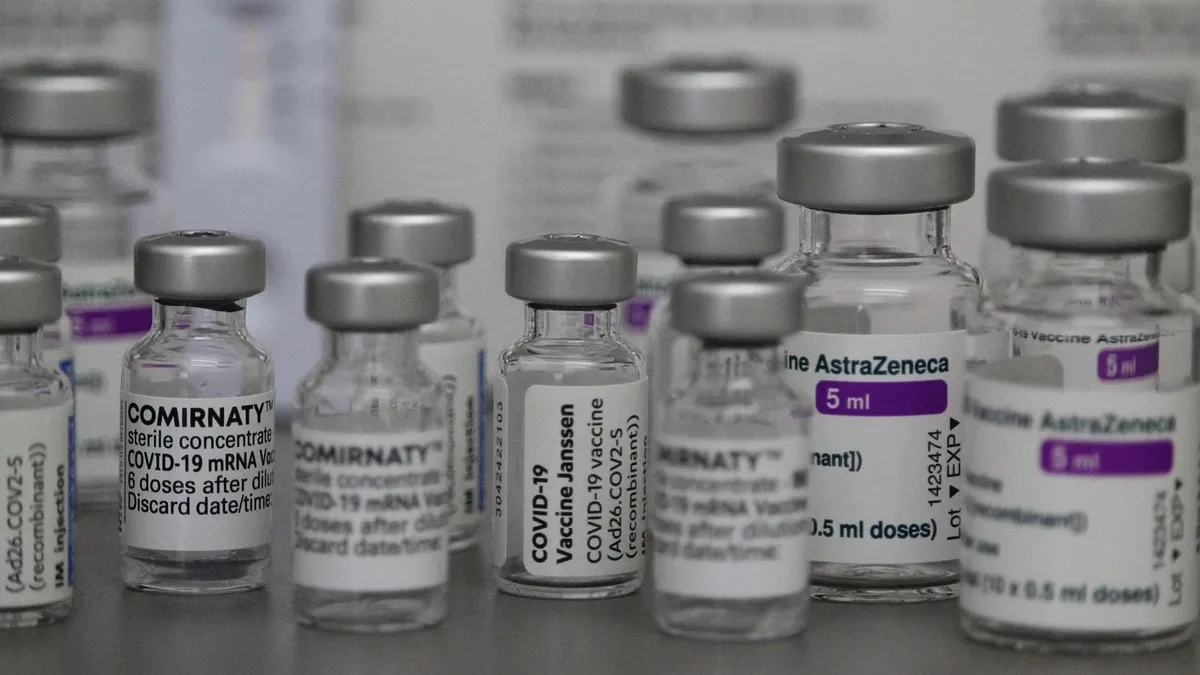
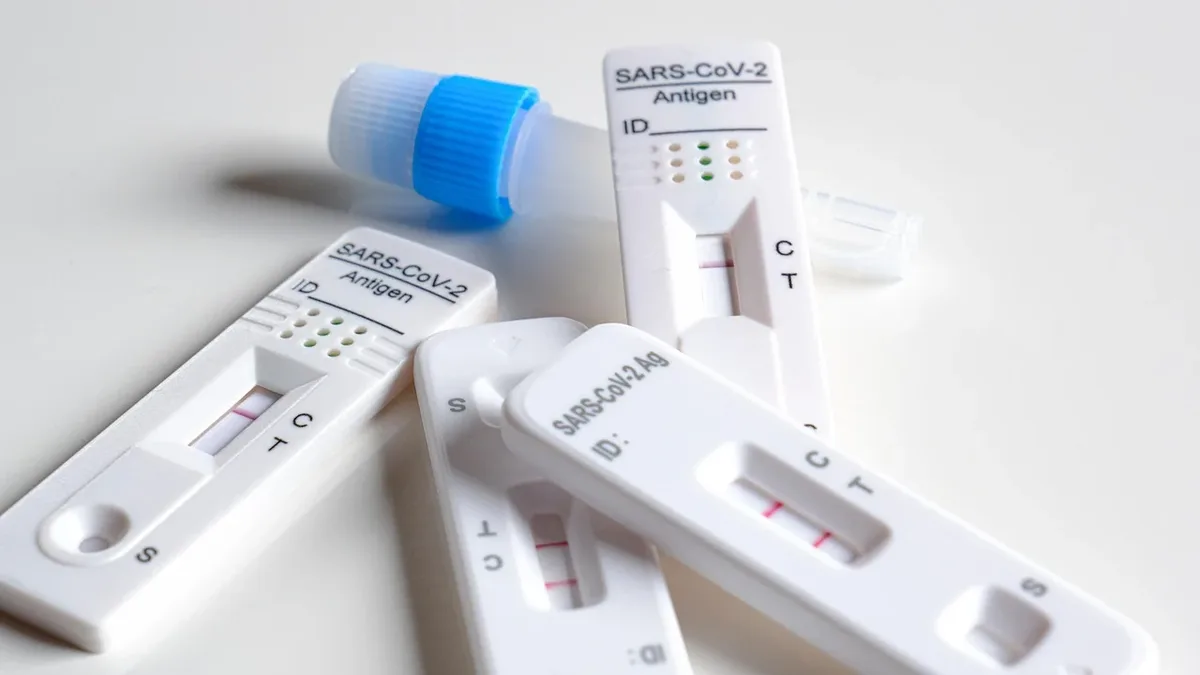
A coalition of professional medical organizations released independent immunization guidelines on Wednesday for the coming respiratory virus season. The groups, representing pediatricians, family physicians, and obstetricians, issued recommendations for influenza, Covid-19, and respiratory syncytial virus (RSV) shots, aiming to help both clinicians and patients plan for the winter.
The effort was undertaken with the University of Minnesota's Vaccine Integrity Project. It marks a departure from previous years when these organizations typically collaborated with the Centers for Disease Control and Prevention. That collaborative process broke down after the CDC's Advisory Committee on Immunization Practices (ACIP) was dismantled in June 2025 by Health Secretary Robert F. Kennedy Jr., a longtime vaccine critic, and replaced largely with vaccine skeptics. A court challenge has left the ACIP and its subsequent recommendations in legal limbo.
Reviewing the Evidence
The professional groups each reviewed the evidence for the seasonal respiratory immunizations with help from the Vaccine Integrity Project, which operates under UMN's Center for Infectious Disease Research and Policy (CIDRAP). The resulting recommendations largely align with previous guidance from before the recent upheaval in federal vaccine policy.
Bruce Gellin, from the Vaccine Integrity Project's board of advisers, emphasized the need for clear guidance. "Americans should have access to the best available scientific evidence and recommendations from the physicians and medical experts who care for them, so they can make informed decisions about vaccination," he said during a Tuesday press conference. "Whatever happens to the federal vaccine policy process, we cannot lower that scientific standard."
Key Updates to RSV Recommendations
A notable change comes from the American College of Obstetricians and Gynecologists (ACOG), which has extended the period for RSV immunization during pregnancy. Previously, the shot was recommended for pregnant people from September 1 to January 31, with administration advised late in pregnancy.
Christina Davidson, ACOG's chief medical officer, said that because recent RSV seasons have started later and lasted longer, the vaccination window has been extended to March 1. The RSV shot for adults remains a once-only immunization, as it is unclear when or how often adults should receive a booster. Consequently, a pregnant person can only get the shot in a single pregnancy.
For infants, the American Academy of Pediatrics recommends that all babies 8 months and younger entering their first RSV season should receive monoclonal antibodies if their mother did not get the RSV vaccine during pregnancy or if her immunization status is unclear. This protection is also recommended for children entering their second RSV season who are at high risk of serious illness.
Timing and Implementation
The medical groups stressed the importance of patients receiving recommended immunizations at the appropriate time. Sarah Nosal, president of the American Academy of Family Physicians, noted that because flu shot protection can wane, the optimal time for an influenza immunization is typically in October, closer to the start of the season.
The full rationale for the immunization recommendations was published Wednesday in the Journal of the American Medical Association. An interactive tool to help doctors and the public review the science behind the decisions will be posted on the Vaccine Integrity Project's website.