CPR Devices vs Manual CPR
A study compares the effectiveness of mechanical CPR devices and manual CPR in patients with out-of-hospital cardiac arrest.

The American Heart Association emphasizes the importance of high-quality CPR in the chain of survival for people with out-of-hospital cardiac arrest. According to Rick Lange, president of Texas Tech Health El Paso, mechanical CPR devices have been increasingly used since 2019, particularly during the COVID pandemic, due to concerns about EMS workers catching infections. However, there has been a lack of studies assessing the efficacy of these devices compared to routine CPR.
Study Findings
A study published in Circulation used the Cardiac Arrest Registry to Enhance Survival, which covers approximately 60% of the US population, to compare outcomes between patients who received mechanical CPR and those who received manual CPR. The study found that there was no difference in survival or favorable neurologic outcome between the two groups. Overall, the survival rate to hospital discharge was around 11-12%, with a favorable neurologic outcome of about 8-9%, regardless of whether a mechanical CPR device was used.
Ventilated Patients and Mucus Secretions
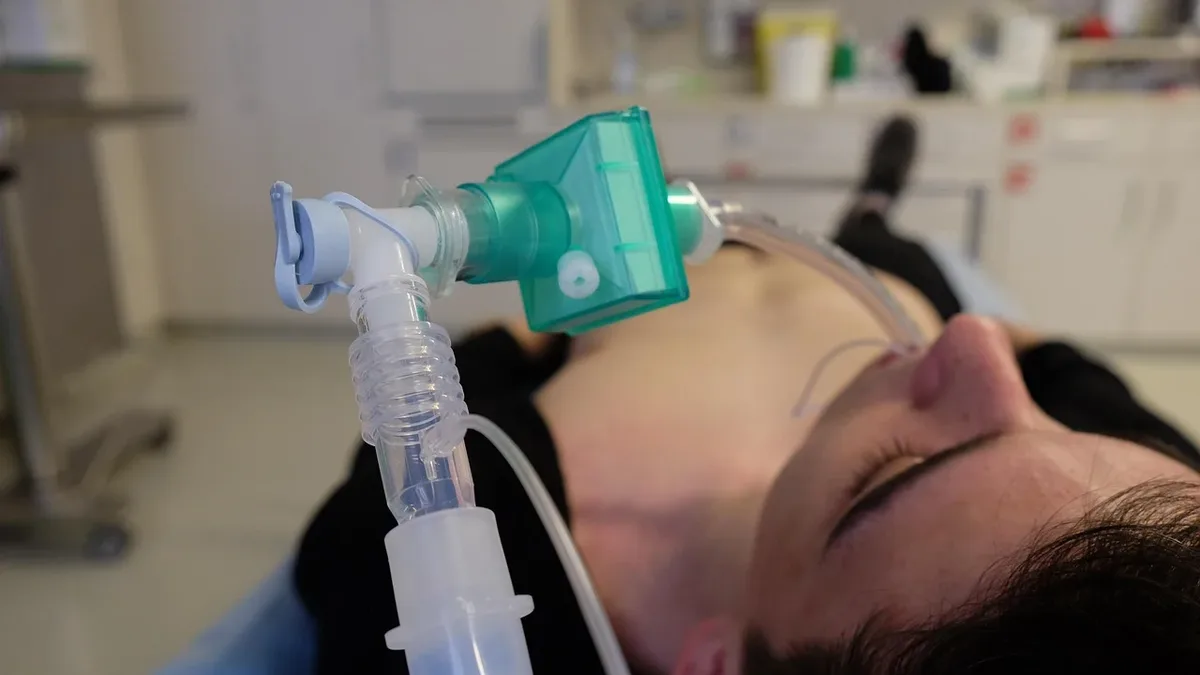
Elizabeth Tracey, director of electronic media for Johns Hopkins Medicine, discussed a study published in the New England Journal of Medicine that investigated the use of carbocisteine and nebulized hypertonic saline to reduce mucus secretions in ventilated patients with acute respiratory failure. The study found that neither agent was helpful in reducing the duration of mechanical ventilation, and both were associated with adverse effects such as upper GI bleeding and bronchoconstriction.
Boarding in the Emergency Department
Rick Lange also discussed a study published in JAMA that examined the practice of boarding emergency department patients, where patients who have been admitted to the hospital spend additional time in the emergency department before being transferred to a hospital bed. The study found that around 54% of patients experienced boarding of at least 4 hours, with 17% experiencing a delay of at least 4 hours without receiving inpatient care. The study highlights the importance of minimizing delays in transferring patients to hospital beds to initiate inpatient care and reduce complications.
The study's findings are presented in the following table:
| Category | Percentage of Patients |
|---|---|
| Boarding of at least 4 hours | 54% |
| Delay of at least 4 hours without inpatient care | 17% |
| Delay of 12 hours without inpatient care | 5% |
| Delay of 24 hours without inpatient care | 1% |
The study's authors note that these delays were more common in academic hospitals and hospitals with more beds. According to Elizabeth Tracey, the study's findings suggest that efforts should be made to reduce these delays and initiate inpatient care as quickly as possible. The source of this information is TTHealthWatch, a weekly podcast from Texas Tech University Health Sciences Center in El Paso.