Hawaii Medicaid Launches Food Is Medicine Program
Over 100,000 low-income Hawaii residents will receive $50 weekly prescriptions for fresh food starting in January, a state Medicaid initiative targeting chronic diet-related diseases.
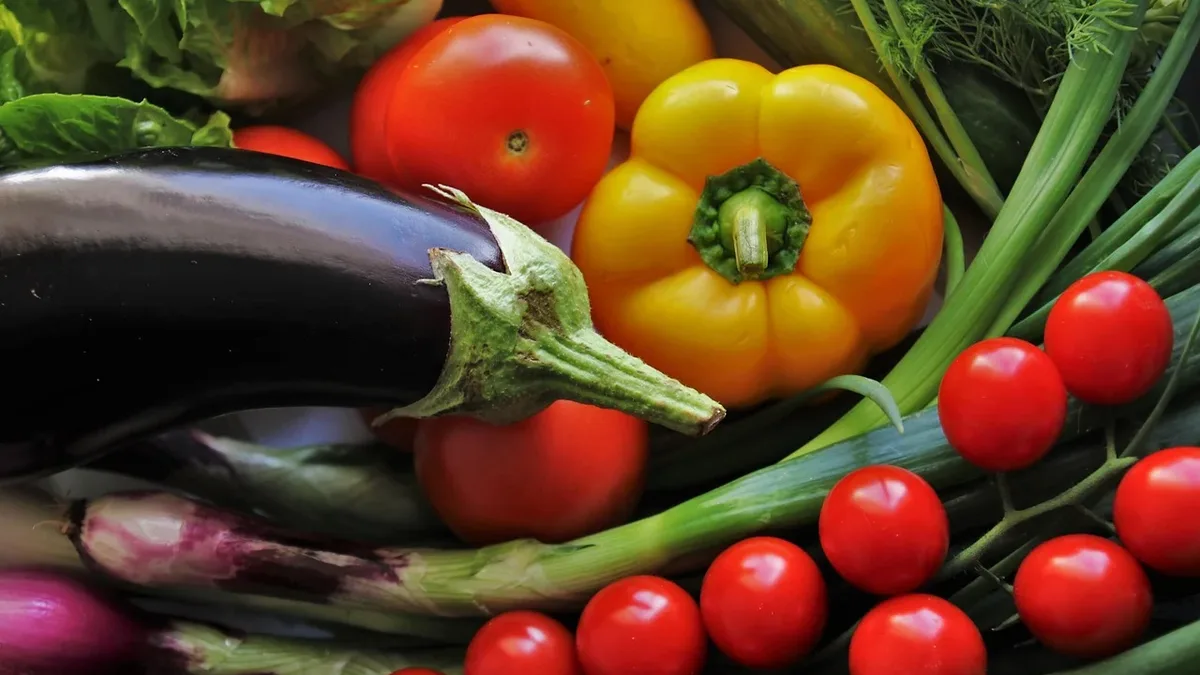
More than 100,000 Hawaii residents on Medicaid will soon get prescriptions for fresh food. The federally funded Food Is Medicine program begins in January with nutritional education and weekly $50 food boxes for eligible low-income residents in food desert areas.
The initiative targets chronic, diet-related health conditions. Roughly one in three households in the state struggles to access affordable, nutritious food. The program will provide fresh fruits, vegetables, fish, eggs, and chicken. Prescription values are $50 per week on Oʻahu and $55 on other islands.
Health Impact and Evidence
Early pilot data shows significant health improvements. In one pilot, participant Suzette Paio saw her average blood sugar level cut in half after more than a decade of struggles. Her husband, Moses Paio, lost over 70 pounds. These results mirror broader pilot findings of substantial weight loss and blood sugar drops.
Separate research supports the model. During the COVID-19 pandemic, the Waiʻanae Comprehensive Health Center tracked nearly 500 Medicaid patients who received a $60 monthly produce prescription. That intervention resulted in approximately $118 in healthcare savings per patient each month. A five-year University of Hawaii study on the program's influence on hypertension is now underway at various healthcare centers.
Economic and Agricultural Benefits
The program is projected to deliver major economic gains. It could unlock $12.3 million in additional annual revenue for local farmers, particularly benefiting small and mid-sized operations. Overall, the initiative could boost the state's GDP by $125.5 million and support the creation of nearly 1,000 new jobs.
Advocates recommend at least 15% of all distributed produce and protein come from local sources. This focus on local procurement sets Hawaii's program apart. A related local incentive program, Da Bux, recorded almost 250,000 transactions last year, accounting for over $5.5 million in local produce sales.
Implementation and Coordination
Med-QUEST, part of the state Department of Human Services, is coordinating the program with the Hawaii Good Food Alliance. Hawaii will join at least a dozen states using a Medicaid waiver for such innovative health programs. The rollout will occur in three phases.
The first phase starts in January with education and food boxes. The second phase will help eligible users stock their pantries and acquire cooking supplies. Medically tailored meals will also be phased in. The state is providing grants to help organizations deliver these services statewide.
Jordan Smith, involved in the effort, highlighted the challenge. "It's a lot of work to bring together a broken healthcare system and a broken food system, and asking them to work together," Smith said. The program's greatest payoff, according to advocates, is hearing from participants who feel better and are making progress with their doctors simply by having access to funds for local food. The program now moves toward its second phase of expanded pantry support and medically tailored meals.