Christina Applegate's MS Misdiagnosis Highlights Diagnostic Advances
Christina Applegate's five-year misdiagnosis of multiple sclerosis shows persistent challenges in neurology, even as modern tools like the McDonald Criteria and central vein sign imaging accelerate accurate diagnosis.
Christina Applegate was misdiagnosed with multiple sclerosis for five years before the error was discovered. Her case illustrates how diagnostic delays can occur even with experienced clinicians, delaying life-changing treatment and worsening long-term neurological outcomes. Applegate first announced her MS diagnosis in August 2021. She later learned that her original diagnosis was incorrect. Her symptoms, including difficulty walking that led to wheelchair use, have worsened since the diagnosis change. She has spent years advocating for people with MS and described feeling a sense of loss and experiencing depression following the revelation. Her doctors continue to investigate the cause of her symptoms since 2021. Her return to her podcast on October 20 after a seven-month absence signals renewed public engagement following her diagnosis correction.
Modern diagnostic tools improve early detection
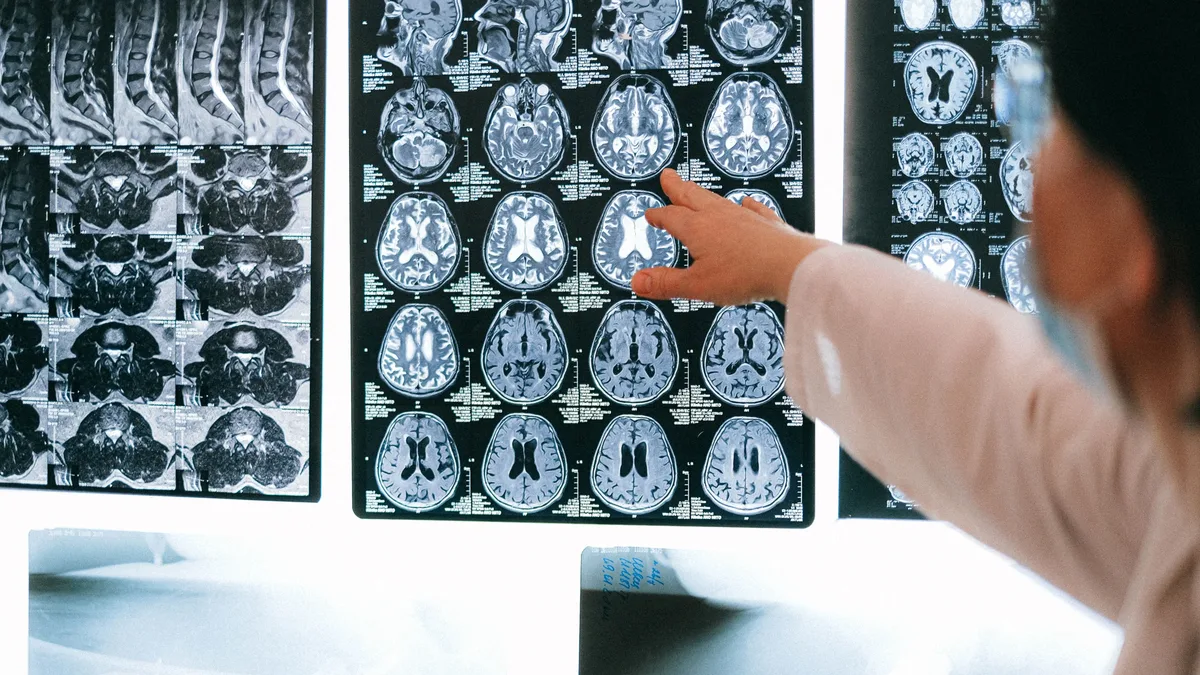
Advances in imaging, biomarkers, and diagnostic criteria now allow for earlier recognition of multiple sclerosis. The McDonald Diagnostic Criteria, developed in partnership with the European Committee for Treatment and Research in Multiple Sclerosis and the National Multiple Sclerosis Society, have shortened diagnosis from years to months in many cases. The latest revisions incorporate new imaging techniques and biomarkers to improve speed and accuracy. An MRI technique identifying the central vein sign can help distinguish MS lesions from abnormalities caused by other conditions. More than 20 therapies exist to reduce disease activity and slow worsening in MS. This makes early treatment key before irreversible neurological damage accumulates.
Bruce Bebo said: "We have transformed our ability to recognize and treat MS over the past several decades, but scientific progress alone is not enough."
Misdiagnosis risks and care access challenges
Misdiagnosis exposes patients to unnecessary treatment risks while delaying appropriate care for their actual condition. Undiagnosed MS leads to missed opportunities for treatment that can protect long-term neurological health. Neurologist Marwa Kaisey, MD, stated that MS misdiagnoses are 'fairly common' because 'we don't have one single test for MS'. Nearly one in five people referred to MS specialty centers with an existing diagnosis were found to have another condition. Access to neurological care is uneven. Some communities face significant shortages of neurologists specializing in MS. Patients may wait months for appointments, travel long distances, or face lengthy referral processes to see MS specialists. Primary care providers are often the first to evaluate neurological symptoms. They need better education to recognize early signs of MS and know when to refer patients. The author has nearly four decades of experience in neurology, having begun their career when diagnosis often required waiting for symptom recurrence.