Eyepoint Study Results Disappoint for Vision Treatment
Eyepoint's experimental treatment for age-related blindness fails to meet primary goal in Phase 3 clinical trial.
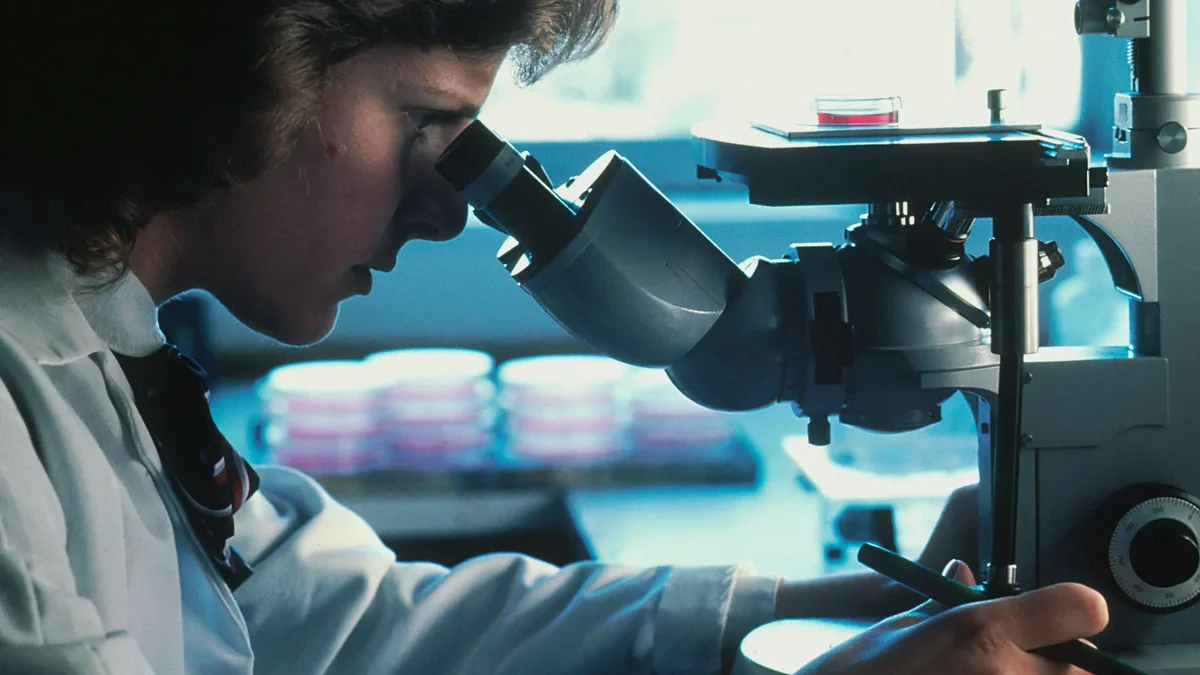
A recent Phase 3 clinical trial for Eyepoint's experimental treatment, Duravyu, has fallen short of its primary goal. The study aimed to determine whether patients with wet age-related macular degeneration (AMD) could maintain their vision with less frequent injections of Duravyu compared to a standard treatment.
The trial results are disappointing for Eyepoint, as they imperil the company's plans to seek regulatory approval for Duravyu. The setback has also caused Eyepoint's stock price to plummet. In contrast, shares of Ocular Therapeutix, the maker of a competing eye treatment, rose in reaction to the news.
Ocular Therapeutix is also developing a drug to maintain vision in people with wet AMD, which can be injected into the eye less frequently than currently approved treatments. The company plans to submit its treatment to the Food and Drug Administration later this year.
Eyepoint's Plans for Duravyu
Eyepoint's experimental treatment, Duravyu, was designed to provide a more convenient alternative to existing treatments for wet AMD. However, the trial results suggest that Duravyu may not be as effective as previously thought.
| Treatment | Injections per Year |
|---|---|
| Standard treatment | 6-8 |
| Duravyu | 4 |
The table above compares the injection frequency of the standard treatment and Duravyu. While Duravyu aims to reduce the number of injections required, the trial results suggest that it may not be able to maintain vision as effectively as the standard treatment.
Implications for Wet AMD Treatment
The trial results have significant implications for the treatment of wet AMD. Currently, patients with this condition require frequent injections of medication to maintain their vision. The development of more convenient treatments, such as Duravyu, has been a major focus of research in recent years.
However, the trial results suggest that Duravyu may not be the solution that patients and clinicians were hoping for. The setback for Eyepoint's treatment highlights the challenges of developing effective treatments for wet AMD.
The search for more convenient and effective treatments for wet AMD continues, with several companies, including Ocular Therapeutix, working on new treatments. The trial results for Duravyu serve as a reminder of the complexities and challenges involved in developing new treatments for this condition.
Source: STAT News